Toyota Hiace Van – 2.8 D 4WD diesel
H200 · 111 kW / 151 hp
2013 - now · Diesel · 2,754 cc
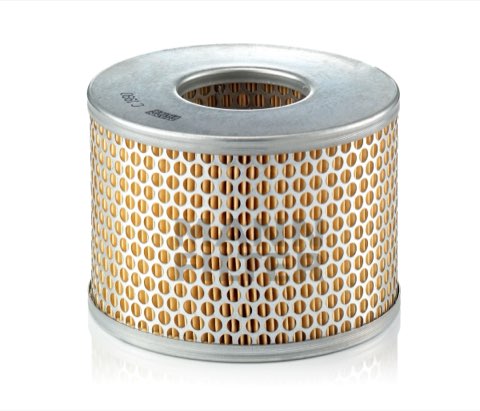
5 parts matched to this engine · 2 departments
Not your engine? Choose another
Save this car and every part on the site shows whether it fits.
Departments for this car
A few parts matched to this engine
All Departments →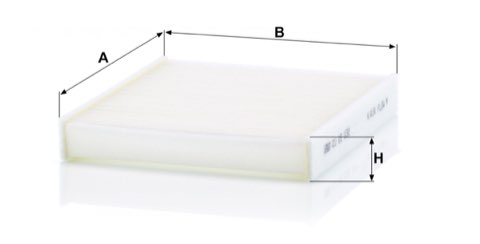
Car details
Details may vary by version.
Engine
- Fuel
- Diesel
- Made
- From 2013
- Engine code
- 1GD-FTV
- Engine size
- 2,754 cc (2.8 litres)
- Engine power
- 151 hp (111 kW) at 3,600 rpm
- Torque (pulling power)
- 300 Nm at 1,000 - 3,400 rpm
- Cylinders
- 4, in a row (inline)
- Turbo
- Turbo
- Fuel injection
- Common-rail diesel injection
Show 4 moreShow less
- Valves
- 16 (4 per cylinder)
- Valve system
- DOHC
- Bore x stroke
- 92 x 103.6 mm
- Engine position
- Front, lengthways (longitudinal)
Fluids and capacities
- Fuel tank
- 70 litres
Gearbox and drive
- Gearbox
- 6-speed automatic
- Driven wheels
- 4x4 (all four wheels)
Wheels, brakes, suspension and steering
- Tyre size
- 195/80 R15 LT
- Wheel (rim) size
- 15 inch
- Front brakes
- Ventilated discs
- Rear brakes
- Drums
- Steering
- Rack and pinion
Show 2 moreShow less
- Front suspension
- Double wishbone
- Rear suspension
- Dependent suspension on two longitudinal semi-elliptic leaf springs
Size and weight
- Body style
- Van
- Doors
- 4 or 5
- Length
- 4,695 - 5,380 mm
- Width
- 1,695 - 1,880 mm
- Height
- 1,980 - 2,285 mm
- Weight (empty)
- 1,910 - 2,130 kg
- Ground clearance
- 185 mm
Show 4 moreShow less
- Wheelbase
- 2,570 - 3,110 mm
- Turning circle
- 10.4 - 12.6 metres
- Maximum weight (loaded)
- 3,155 - 3,240 kg
- Load it can carry
- 1,110 - 1,245 kg
Speed and fuel use
- Fuel use, mixed driving
- 8.2 - 9.3 l/100 km (about 10.8 - 12.2 km per litre)
- Fuel use in town
- 11.2 - 11.7 l/100 km (about 8.5 - 8.9 km per litre)
- Fuel use on the highway
- 7.7 - 8.3 l/100 km (about 12 - 13 km per litre)
- CO2 emissions
- 225 - 287 g/km
Fuel use is from official tests; town driving usually uses more.